





























WorldStage– In a major fiscal move aimed at insulating Nigeria’s real sector, transport logistics, and consumer purchasing power from global energy volatility, the Federal Government has unveiled a comprehensive price-smoothing framework alongside a zero-margin retail intervention by the Nigerian National Petroleum Company Limited (NNPCL).
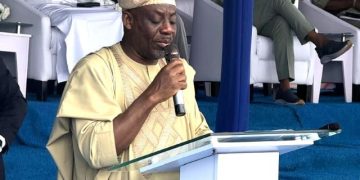
Announced by the Minister of Finance and Coordinating Minister of the Economy, Taiwo Oyedele, the strategic measures are structured to absorb short-term crude oil price shocks without returning to fiscal deficit-inducing petrol subsidies or market-distorting price controls.
Risk Mitigation and Capital Protection Framework
To stabilize macroeconomic indicators and maintain inflation predictability for businesses, NNPCL will forgo its retail profit margin for 30 days, supplying petrol at cost—particularly to commercial transport operators.
Concurrently, the government is establishing a negotiated landing cost ceiling of N1,350 per liter. Under this price-smoothing model, refiners and importers will absorb transient cost overruns during high-price cycles and recoup balances during favorable market dips or exchange-rate fluctuations.
“This is neither a subsidy nor a price control: it is designed to smooth prices over time rather than suppressing them,” Oyedele stated, emphasizing that price stability reduces corporate planning uncertainty and prevents inflationary ratchet effects in freight and food logistics.
Key macroeconomic and investment-focused initiatives announced include:
- Forward Sales to Domestic Refiners: Prioritizing local refining capacity through forward crude sales to guarantee domestic feedstock supply and shield local markets from international freight shocks.
- National Strategic Fuel Reserve: Capital deployment into a strategic buffer reserve to deter market manipulation, prevent artificial supply deficits, and solidify long-term energy security for industrial consumers.
- Supply Chain Efficiency & Levy Rationalization: Enforcing the 2025 tax reform provisions to eliminate illegal road levies and streamline regulatory costs, directly lowering the cost of doing business.
- Fiscal Accountability & Windfall Regulation: Consideration of an excess profit tax on energy value-chain operators engaged in price gouging, with proceeds dedicated to targeted urban transport vouchers and low-income tax reliefs under the forthcoming 2027 Finance Bill.
- Accelerated Gas Transition: Expanding Compressed Natural Gas (CNG) infrastructure to leverage Nigeria’s gas reserves, offering commercial fleet operators a 60–70% cost reduction compared to conventional PMS.
Preserving Deregulation and Market Confidence
Addressing potential sovereign credit rating concerns and investor sentiment, the Presidency clarified that these interventions preserve the post-May 2023 deregulated market structure.
“Removing the fuel subsidy came at a price, but restoring blanket subsidies would create long-term fiscal harm,” noted Special Adviser to the President on Information & Strategy, Bayo Onanuga. “Government is not out to reverse necessary reforms, but to ensure fiscal gains translate into tangible macroeconomic stability, targeting single-digit inflation in the near term.”
For institutional investors, corporate lenders, and foreign portfolio managers, the government’s refusal to revert to direct subsidies signals policy continuity, debt sustainability commitment, and a structured effort to stabilize the operating environment for private enterprise.