


















































By Abiodun Folarin
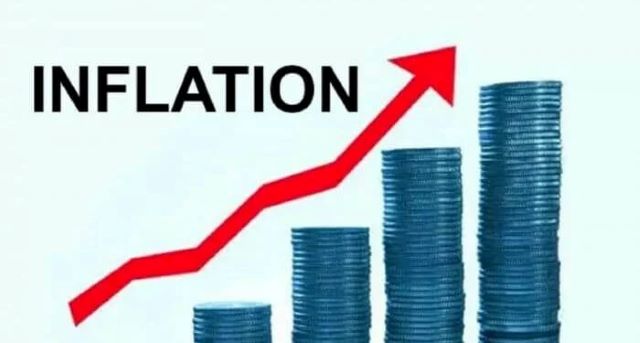
WorldStage– Nigeria’s headline inflation rate increased to 15.93 per cent in May 2026, up from 15.69 per cent recorded in April 2026, the National Bureau of Statistics (NBS) has said.
The NBS, in its Consumer Price Index (CPI) report released on Monday, showed that the CPI rose to 140.7 points in May, representing a 2.4-point increase from the 138.3 points recorded in the preceding month.
Despite the year-on-year increase, inflationary pressure eased on a monthly basis, with the headline inflation rate slowing to 1.75 per cent in May, compared to 2.13 per cent in April. This indicates that the pace at which prices increased during the month was lower than in the previous month.
On a year-on-year basis, the headline inflation rate remained significantly lower than the 26.06 per cent recorded in May 2025, reflecting a substantial moderation in price growth over the past year.
The report further revealed that urban inflation stood at 16.07 per cent year-on-year in May 2026. On a month-on-month basis, urban inflation rose slightly to 1.99 per cent, compared to 1.86 per cent in April.
The twelve-month average urban inflation rate was 18.27 per cent, representing a decline of 14.28 percentage points from the 32.55 per cent recorded in May 2025.
In rural areas, inflation was recorded at 15.60 per cent year-on-year. However, the month-on-month rural inflation rate fell sharply to 1.17 per cent in May, down from 2.80 per cent in April, indicating a slowdown in the rate of price increases across rural communities.
The twelve-month average rural inflation rate stood at 18.19 per cent, which was 10.16 percentage points lower than the 28.36 per cent recorded in May 2025.
Food inflation, a major driver of overall price increases, eased slightly during the month. The food inflation rate on a month-on-month basis declined to 2.98 per cent in May 2026, from 3.63 per cent in April, representing a decrease of 0.65 percentage points.
On a year-on-year basis, food inflation stood at 16.96 per cent, compared to 24.55 per cent recorded in May 2025.
According to the report, the increase in food prices was driven by changes in the average prices of key staples, including fresh onions, maize grains, melon (egusi), water yam, cassava flour, crayfish, fresh pepper, fresh tomatoes, wheat grain, cassava tubers, yam tubers, sweet potatoes, fresh ginger, plantain, and cowpea.
The average annual food inflation rate for the twelve months ending May 2026 was 16.99 per cent, representing a decline of 16.22 percentage points from the 33.21 per cent recorded in the corresponding period of 2025.
The latest figures suggest that while inflation remains elevated, the pace of price increases is moderating compared to the levels recorded a year earlier, offering some relief to households and businesses grappling with the high cost of living.