






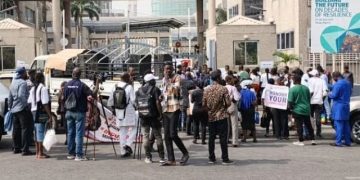




































Thousands of people took part in anti-immigration protests in Johannesburg on Monday, a day after President Cyril Ramaphosa announced measures to strengthen migration management and border control.
Local media reported on Tuesday that the demonstrations took place in the East Rand area of Gauteng Province, where protesters marched through communities, chanting and singing.
Protesters called for stricter enforcement of immigration laws and greater employment opportunities for South African citizens.
Bongani Mthethwa, a leader of the All Truck Drivers Forum and Allied South Africa, said employers should prioritise South Africans and comply with labour and immigration regulations.
Many participants expressed dissatisfaction with the president’s address, arguing that foreign nationals were being favoured in employment and placing additional pressure on public services, including education and healthcare.
Activist Nkosikhona Ndabandaba called on undocumented migrants to leave the country by June 30, warning that organisers would continue nationwide mobilisation if their concerns were not addressed.
“The 30th of June is just a deadline. It is intended to sensitise our brothers and sisters from neighbouring countries.
“ They must go back, regularise their documents and return through legal channels,” Ndabandaba told local media, stressing that the movement opposed violence.
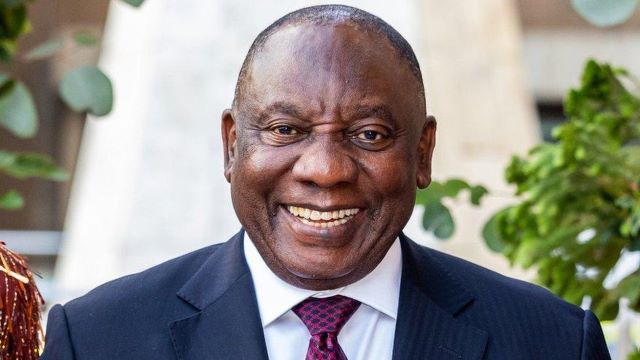
The marches followed Ramaphosa’s national address on rising tensions surrounding illegal immigration and anti-migrant incidents in several regions of the country.
In his speech, Ramaphosa acknowledged shortcomings in migration management and pledged to strengthen border security, improve immigration enforcement, and penalise employers hiring undocumented migrants.
The president also emphasised that immigration laws must be enforced by law enforcement authorities and warned against vigilantism and violence targeting foreign nationals.
Following the protests, South African Police Service provincial spokesperson Col. Dimakatso Nevhuhulwi said police would continue to monitor demonstrations and urged that they remain peaceful.
South Africa has witnessed a rise in anti-immigration protests in recent months, driven by concerns over unemployment, strain on public services, and border management.





