







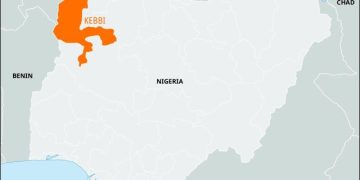




































WorldStage– At least six people have been confirmed dead following an attack by suspected herdsmen on Aso A, a community in the Mararaba area near the boundary of Nigeria’s capital city, Abuja, and Nasarawa State, on Wednesday morning, March 25, 2026.
While six deaths are confirmed, the total number of victims is feared to be higher. Many others sustained injuries and are receiving treatment.
The violence was reportedly a reprisal attack following an earlier clash between a farmer and a herder, which allegedly resulted in the herder’s death.
Assailants stormed the residence of the farmer, who had already fled, and began attacking residents indiscriminately. They also set several houses on fire.
A motorcyclist transporting a police officer to the scene was reportedly ambushed and killed.
The attack caused widespread panic, leading residents to desert the community and flee to neighboring areas in Abuja.
As combined team of police and military personnel has been deployed to restore order in the area, tension remains high in Mararaba, with reports suggesting that more armed groups may be mobilizing in nearby Keffi for further attacks.
The Nasarawa State Police Command has confirmed the incident and launched a manhunt for the perpetrators.
The herdsmen-farmer conflict in Abuja has remained a localized manifestation of a broader national crisis.
In the Federal Capital Territory (FCT), this conflict involves clashes between nomadic pastoralists who are predominantly Fulani and indigenous farming communities such as the Gbagyi over land use and resources.
Abuja is situated in Nigeria’s Middle Belt, a transitional zone between the Muslim-majority North and Christian-majority South. This region has become a flashpoint for violence as environmental degradation forces herders southwards into areas traditionally used for sedentary farming.
As Nigeria’s capital, Abuja has seen rapid urbanization. The expansion of the city and its surrounding satellite towns has encroached upon traditional grazing routes and “free” land, leading herders and their cattle to move through residential and commercial areas.